
Kid Rock f.i.r.e.d back live on air after Karoline Leavitt allegedly labeled him a “trash guy,” and within minutes the exchange detonated across social media like a cultural grenade primed for maximum outrage and relentless partisan debate.
What began as a sharp-tongued political jab quickly spiraled into a made-for-viral television moment, with viewers watching in disbelief as the musician warned that this was her final chance before he released their private “conversation.”

The phrase alone, heavy with implication and mystery, was enough to send commentators scrambling, because in an era obsessed with receipts, leaks, and screenshots, the suggestion of hidden messages carries explosive cultural weight.
Supporters of Kid Rock framed his response as a long-overdue clapback against what they saw as elitist disdain, while critics accused him of theatrics, intimidation, and escalating rhetoric for the sake of attention.
Meanwhile, Karoline Leavitt’s defenders argued that her “trash guy” remark, whether flippant or pointed, was protected speech within the rough-and-tumble tradition of American political commentary.
Yet the real drama was not the insult itself but the threat of disclosure, because once the possibility of a private exchange being revealed entered the conversation, the story transformed from insult to potential scandal.
Television anchors replayed the clip repeatedly, dissecting Kid Rock’s tone, cadence, and body language as if each eyebrow movement contained coded meaning about what he might release next.
Online, hashtags trended within hours, dividing users into digital camps that treated the moment less like a disagreement and more like a referendum on authenticity, power, and celebrity influence.

Some observers questioned whether there was truly a damning “conversation” at all, suggesting that the threat could simply be strategic rhetoric designed to dominate the news cycle.
Others insisted that if such communication exists, transparency demands disclosure, arguing that public figures who trade insults on national platforms must also accept scrutiny of their private exchanges.
The controversy tapped into a deeper anxiety about blurred boundaries between public personas and private communications in a world where leaks often shape political and cultural narratives.
Critics warned that threatening to publish private discussions, regardless of content, risks normalizing a culture of exposure that erodes trust and fuels performative outrage.
Supporters countered that when reputations are attacked publicly, responding with evidence is not vindictive but necessary, especially if it challenges the framing presented to millions of viewers.
Media analysts noted that both figures understood the mechanics of virality, and that the confrontation unfolded with an almost cinematic awareness of how clips travel faster than context.
As speculation intensified, commentators repeatedly emphasized that no verified transcript of any alleged private exchange had been released, leaving the public suspended between curiosity and conjecture.
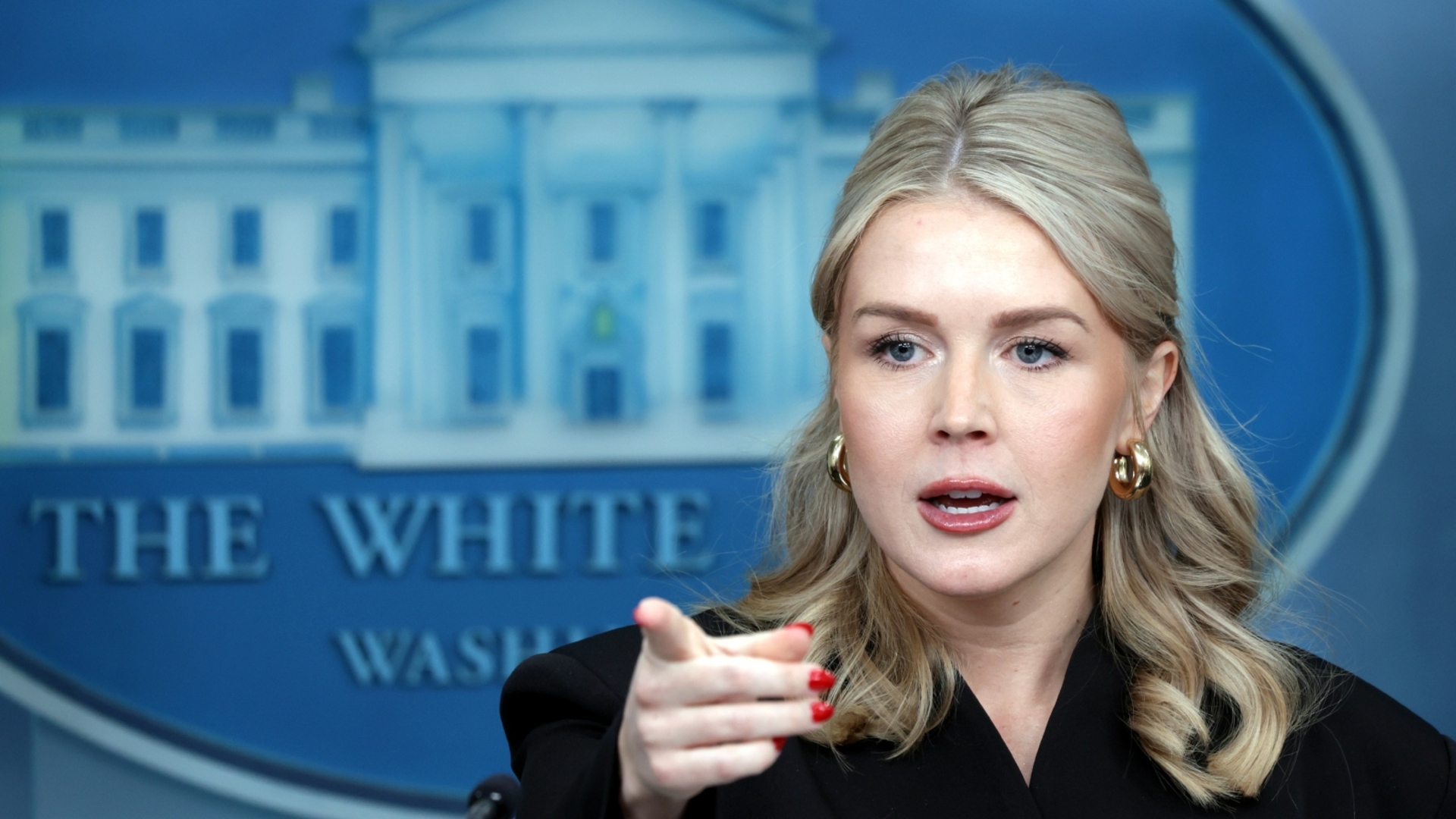
That uncertainty became fuel for debate, with some audiences demanding proof and others arguing that the spectacle itself revealed more about modern media than any unseen messages ever could.
Political strategists weighed in, suggesting that outrage cycles like this can galvanize bases, energize fundraising, and dominate headlines at a fraction of the cost of traditional campaigns.
Entertainment reporters, meanwhile, framed the clash as another chapter in the ongoing collision between celebrity culture and partisan politics, where shock value often eclipses substance.
The language used on air, blunt and unapologetic, reflected a broader shift in televised discourse toward confrontation that blurs the line between debate and entertainment.
For many viewers, the moment symbolized a fatigue with insult-driven dialogue, yet paradoxically it was that very fatigue that propelled millions to share, comment, and argue online.
In comment sections, supporters of Kid Rock celebrated what they described as fearless defiance, praising him for refusing to accept what they perceived as condescension.

Conversely, critics accused him of weaponizing ambiguity, arguing that invoking a mysterious “conversation” without immediate proof risks manipulating public perception through insinuation alone.
Karoline Leavitt’s camp remained firm, with allies suggesting that political figures should not be intimidated by threats of exposure, especially when no concrete evidence has been presented.
The absence of documentation turned the story into a Rorschach test, allowing individuals to project their existing loyalties and suspicions onto a blank canvas of incomplete information.
Communications experts pointed out that ambiguity can be a powerful rhetorical device, because it invites audiences to imagine worst-case scenarios that may never materialize.
At the same time, legal analysts cautioned that releasing private communications, depending on their nature and context, can raise ethical and potentially legal considerations.
The spectacle reignited long-standing debates about privacy, consent, and the strategic use of personal messages in public disputes between influential personalities.
Cultural commentators argued that the hunger for leaks reflects a public craving for authenticity in a landscape saturated with carefully curated statements and polished press releases.
Yet authenticity itself has become a contested term, often deployed as branding rather than principle, complicating any attempt to separate genuine outrage from calculated performance.
As the clip continued to circulate, the conversation shifted from what was said to why it resonated so intensely across ideological lines and digital communities.
Some suggested that the exchange mirrored a broader societal polarization, where disagreement is not merely ideological but deeply personal and emotionally charged.
Others contended that the outrage economy rewards escalation, incentivizing public figures to push boundaries in order to capture fleeting attention spans.
Amid the noise, a quieter question lingered: what responsibility do high-profile individuals bear when hinting at disclosures that could inflame already volatile discourse.
Without confirmed details about any alleged private exchange, responsible reporting has remained cautious, underscoring that speculation should not be mistaken for verified fact.
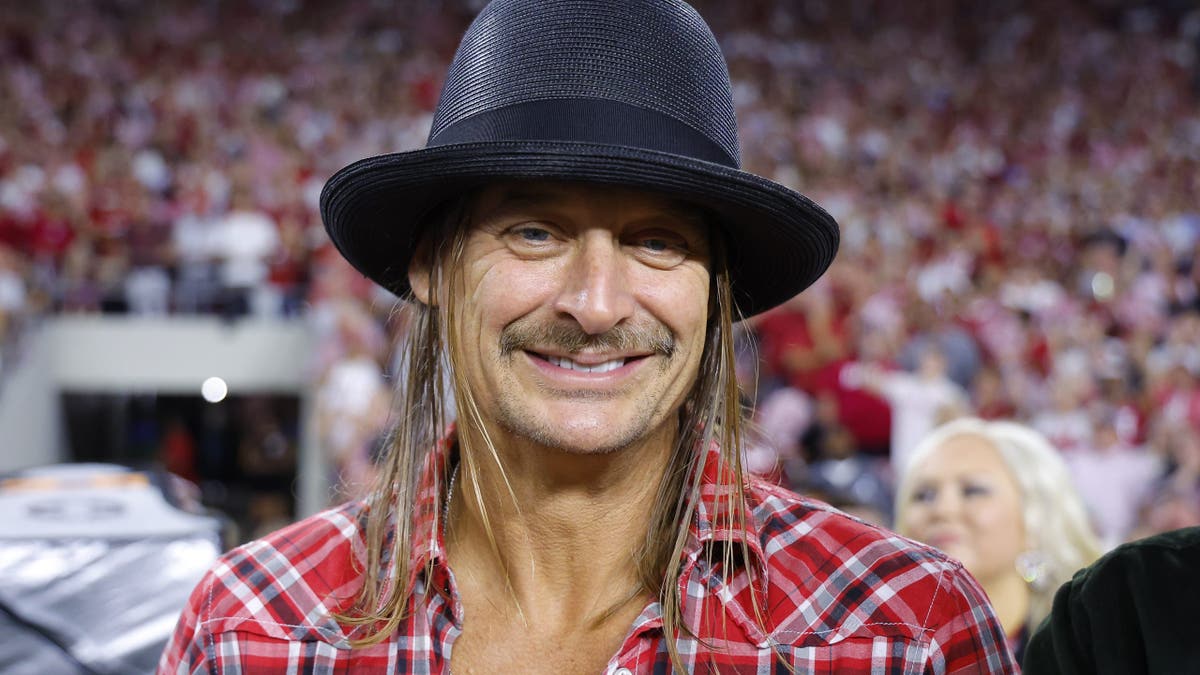
Nevertheless, the promise of revelation continues to hover over the story like a ticking clock, keeping audiences hooked and refreshing feeds for the next development.
The episode illustrates how a single phrase, delivered live and amplified instantly, can reshape narratives and dominate conversations far beyond its original context.
It also highlights the precarious dance between free expression and reputational risk in an environment where every word may be clipped, captioned, and weaponized.
Whether Kid Rock ultimately releases any private communication or not, the moment has already cemented itself as a flashpoint in the evolving relationship between media, politics, and celebrity.
For supporters, it stands as proof that public figures should defend themselves forcefully against perceived smears, even if doing so stokes controversy.
For critics, it exemplifies the dangers of escalating rhetoric that prioritizes spectacle over substance, potentially deepening divisions rather than fostering understanding.
What really happened may ultimately prove less consequential than how the incident reflects our collective appetite for drama, disclosure, and digital confrontation in an age where attention is the ultimate currency.